
Why Hillside Homes Get Hammered by Street Pressure
Water districts maintain pressure so water can reach homes throughout the service area, but street pressure can vary depending on location and elevation. Homes on hillsides may experience higher or changing pressure than properties at lower elevations. Our water pressure regulator service in El Cajon helps keep household water pressure at a comfortable, controlled level. Proper pressure can help reduce stress on faucets, toilets, appliances, and other plumbing components throughout your home.
Over 80 psi? The Plumbing Code Requires a Regulator
High water pressure is more than an annoyance—it can place unnecessary strain on your plumbing system. California plumbing requirements call for pressure-reducing protection when static pressure exceeds the applicable limit at the building. If your home’s pressure is consistently high, a properly sized regulator can help protect fixtures, appliances, and water lines from excessive pressure. We can test your pressure and explain what needs to be done to bring it under control.
Symptoms of a Failing Regulator
A failing regulator does not always stop working all at once. You may notice banging pipes, fluctuating water pressure, weak flow at certain fixtures, or pressure that changes when another faucet is turned on. Our water pressure regulator repair in El Cajon starts with testing the system and identifying whether the regulator is actually causing the problem. If an adjustment or repair can resolve the issue, we will explain the available options. If the regulator has reached the end of its service life, we can recommend replacement instead.
Replacement Done Right, in One Visit
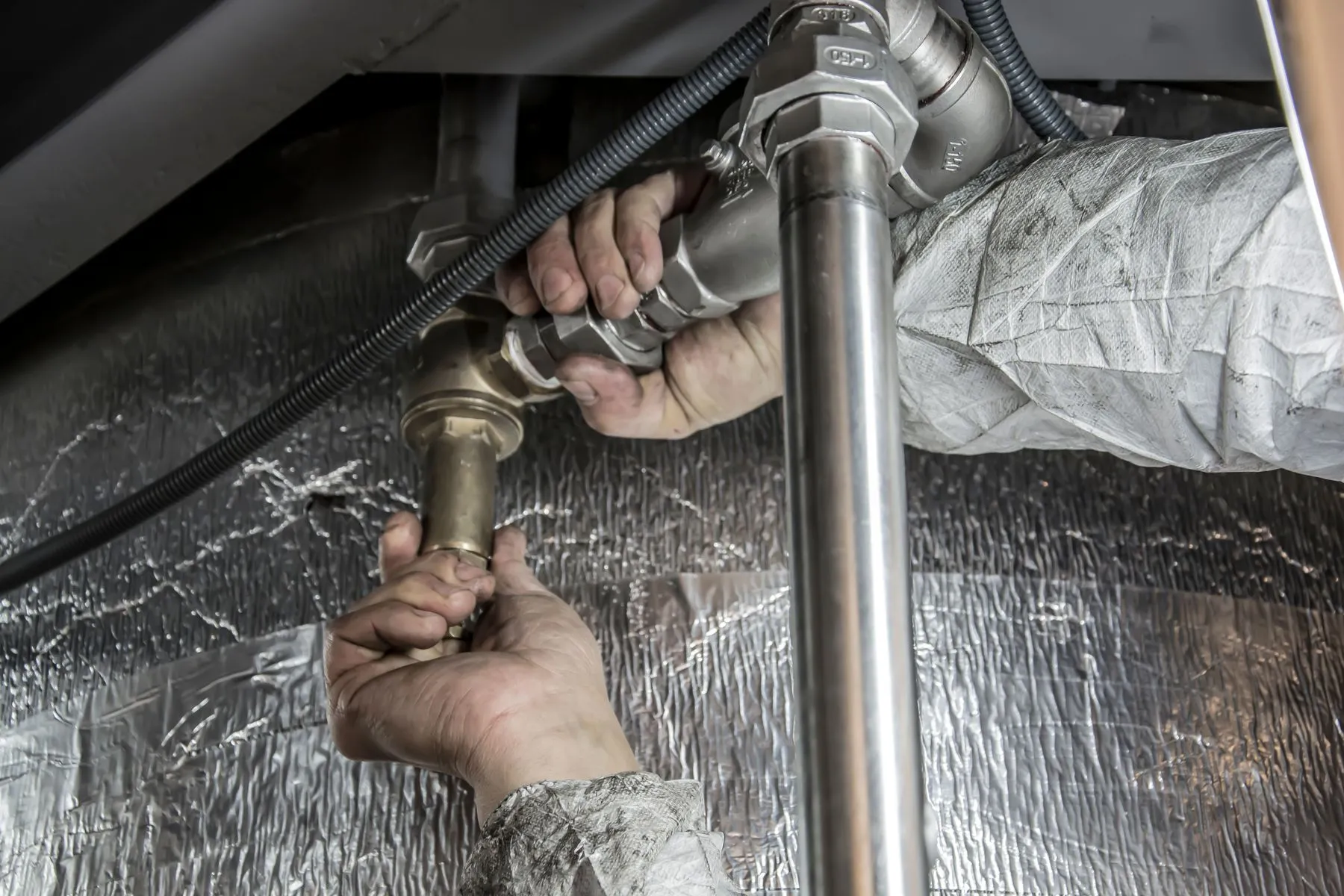
When a regulator needs to be replaced, proper sizing and installation matter. Our water pressure regulator installation in El Cajon includes checking the incoming pressure, selecting an appropriate regulator, installing it with the necessary connections, and testing the outlet pressure after the work is complete. We also check the nearby shutoff valve and other components that may affect the system. The goal is simple: stable water pressure and a regulator that provides dependable protection for your home’s plumbing.
Frequently Asked Questions
What should my home’s water pressure be?
For many residential plumbing systems, water pressure around 50 to 70 psi is generally comfortable. Pressure that is consistently too high can place additional stress on plumbing fixtures and appliances. We can test your home’s pressure and let you know if it needs attention.
How long does a pressure regulator last?
A pressure regulator can often last many years, but its lifespan depends on water conditions, pressure levels, usage, and the quality of the component. If pressure begins fluctuating or the regulator stops responding properly, an inspection can determine whether repair or replacement is appropriate.
Can high water pressure cause a slab leak?
Excessive water pressure can place additional stress on plumbing components and connections, potentially contributing to leaks over time. If you notice unexplained changes in water pressure, leaks, or unusually high water usage, it is worth having the plumbing system checked.
Do I need an expansion tank with my new regulator?
It depends on how your plumbing system is configured. A pressure-reducing valve can contribute to a closed plumbing system, where heated water has less room to expand. We can evaluate your setup and determine whether an expansion tank is appropriate.